
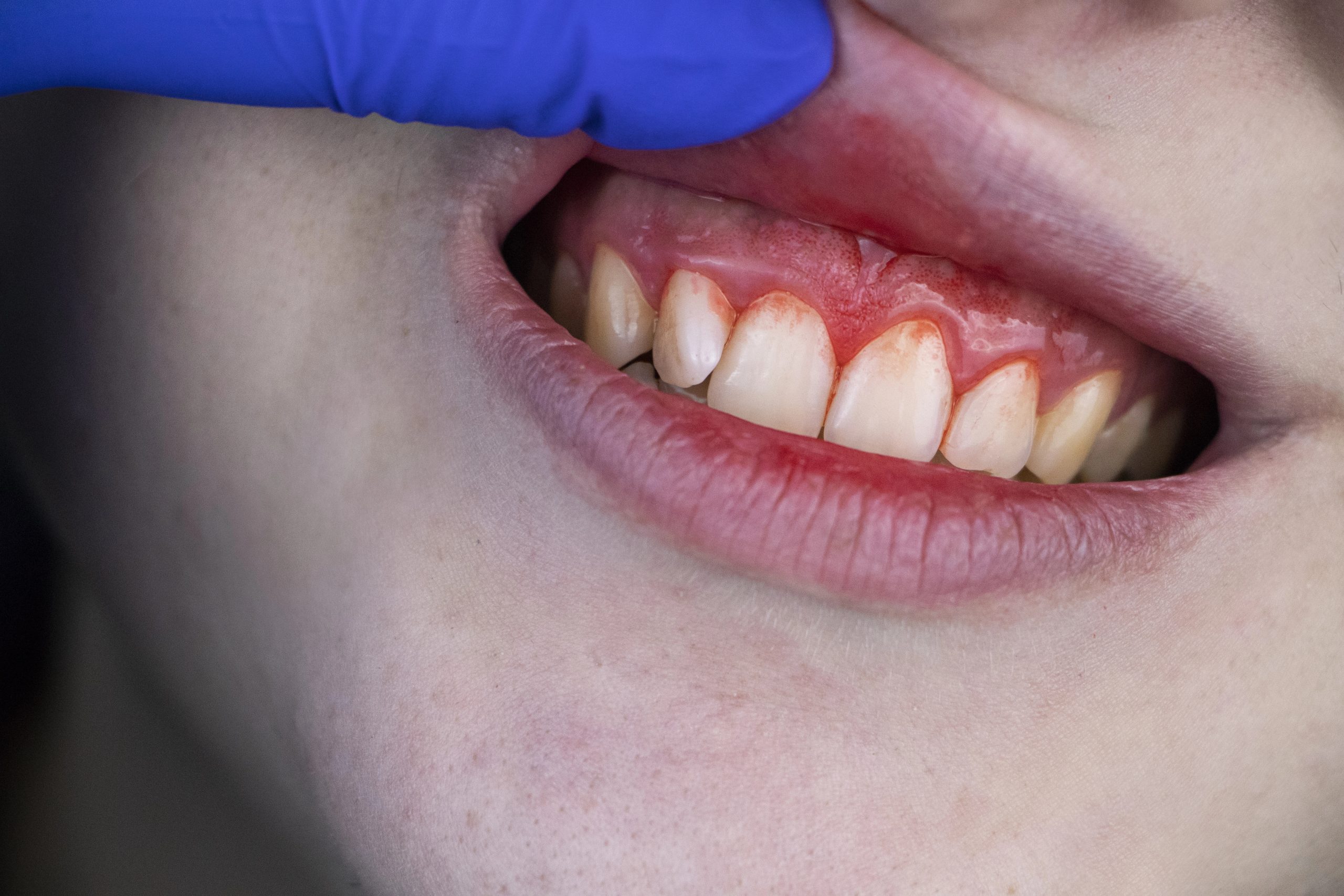
“What happens to your gums after tooth extraction? Understanding the healing stages can provide clarity, as the gums gradually recover and adapt following the procedure.
Gums After Tooth Extraction
The initial stage of healing for gums after tooth extraction is marked by the formation of a blood clot. This crucial process begins almost immediately after the tooth is removed, as the body works to protect the exposed area. The blood clot serves as a natural barrier, safeguarding the underlying bone and nerve endings from potential harm. It also plays a vital role in the healing process by providing a foundation for new tissue to grow, which is essential for the restoration of the gums after tooth extraction.
As the blood clot forms, it is important for the body to maintain this protective layer to ensure proper healing. The stability of the clot is critical, as it helps to prevent complications that could arise during the recovery period. Understanding the significance of this initial stage can provide insight into the body’s natural healing mechanisms. For more information on managing discomfort during this time, you can explore our guide on Tooth Extraction Pain Relief: Best Remedies.
Swelling and Discomfort Phase
After a tooth extraction, it’s common to experience the swelling and discomfort phase, which typically begins within the first 24 hours. During this time, the body’s natural healing process kicks in, leading to inflammation around the gums after tooth extraction. This is a normal response as your body works to repair the affected area. The swelling may cause some discomfort, but it is an essential part of the healing journey.
As the days progress, the swelling should gradually decrease, and any discomfort will likely subside. It’s important to be patient during this phase, as the gums after tooth extraction are adjusting and healing. For those in Arlington seeking more information on this topic, you can explore more about Affordable Tooth Extractions Arlington.
Tissue Regeneration Begins
In the healing journey of gums after tooth extraction, tissue regeneration marks a crucial phase. This natural process involves the body working diligently to repair and rebuild the gum tissue that was affected during the extraction. As the initial inflammation subsides, the body begins to form new tissue, gradually filling in the gap left by the removed tooth. This regeneration is essential for restoring the integrity and health of the gums, ensuring they return to their normal state over time. Understanding this stage can provide insight into the body’s remarkable ability to heal itself following dental procedures.
New Gum Tissue Develops
After a tooth extraction, the body begins a remarkable healing process, during which new gum tissue develops to fill the gap left by the removed tooth. This stage is crucial as it signifies the body’s natural ability to repair itself, gradually leading to the formation of healthy gums after tooth extraction. The development of new gum tissue is a testament to the body’s resilience and adaptability, ensuring that the area heals properly over time. For more information on dental health and healing processes, you can visit the Siranli Dental, your trusted Arlington Dentist.
Bone Healing Process
After a tooth extraction, the bone healing process is a crucial phase in the overall recovery journey. Initially, the body responds to the extraction by forming a blood clot in the socket, which serves as a protective layer over the underlying bone and nerve endings. As days progress, this clot is gradually replaced by granulation tissue, which is rich in collagen and new blood vessels. Over the following weeks, osteoblasts—specialized bone-forming cells—begin to lay down new bone material, slowly filling in the socket. This process can take several months, as the new bone matures and integrates with the surrounding jawbone, ultimately restoring structural integrity to the area. Understanding this natural progression highlights the body’s remarkable ability to heal and regenerate after dental procedures.
Reduction of Swelling
In the healing process of gums after tooth extraction, a natural response is the occurrence of swelling. This swelling is part of the body’s defense mechanism, as it works to protect and heal the affected area. Over time, the swelling will gradually decrease as the gums begin to recover and regenerate. The reduction of swelling is an important indicator that the healing process is progressing, allowing the gums to return to their normal state. Understanding this phase can provide reassurance that the body is effectively managing the healing of gums after tooth extraction.
Gum Color Changes
After a tooth extraction, it’s common to notice changes in the color of your gums as they go through the healing process. Initially, the gums may appear dark red or even slightly purple due to increased blood flow to the area, which is a natural part of the body’s healing response. As the days progress, you might observe that the gums after tooth extraction start to lighten, transitioning to a pinker hue as new tissue forms and the healing advances. These color changes are typically a normal part of recovery, reflecting the dynamic process your body undergoes to restore gum health.
Sensitivity Gradually Decreases
After a tooth extraction, it’s common to experience some level of sensitivity in the gums. This sensitivity is a natural part of the healing process and typically diminishes over time. In the initial days following the procedure, the gums may feel tender and more sensitive to temperature changes or pressure. However, as the healing progresses, the sensitivity in the gums after tooth extraction usually decreases, allowing for a more comfortable recovery. The body’s natural healing mechanisms work to repair the affected area, gradually reducing discomfort and restoring normal sensation in the gums.
Complete Healing Timeline
The journey of gums after tooth extraction involves several stages, each crucial for complete healing. Initially, the body forms a blood clot to protect the exposed area, which is then replaced by granulation tissue. Over the next few days, this tissue matures, and the gums begin to close over the extraction site. As weeks pass, the gums continue to heal and reshape, gradually returning to their normal appearance. By the end of the healing process, which can take several weeks to a few months, the gums after tooth extraction should be fully healed, with the site integrated seamlessly into the surrounding oral tissue.
Conclusion
Understanding the healing stages of gums after tooth extraction is crucial for a smooth recovery. If you have any questions or need further assistance, feel free to call us at 703-415-0505 or check out our Google Maps reviews.”