

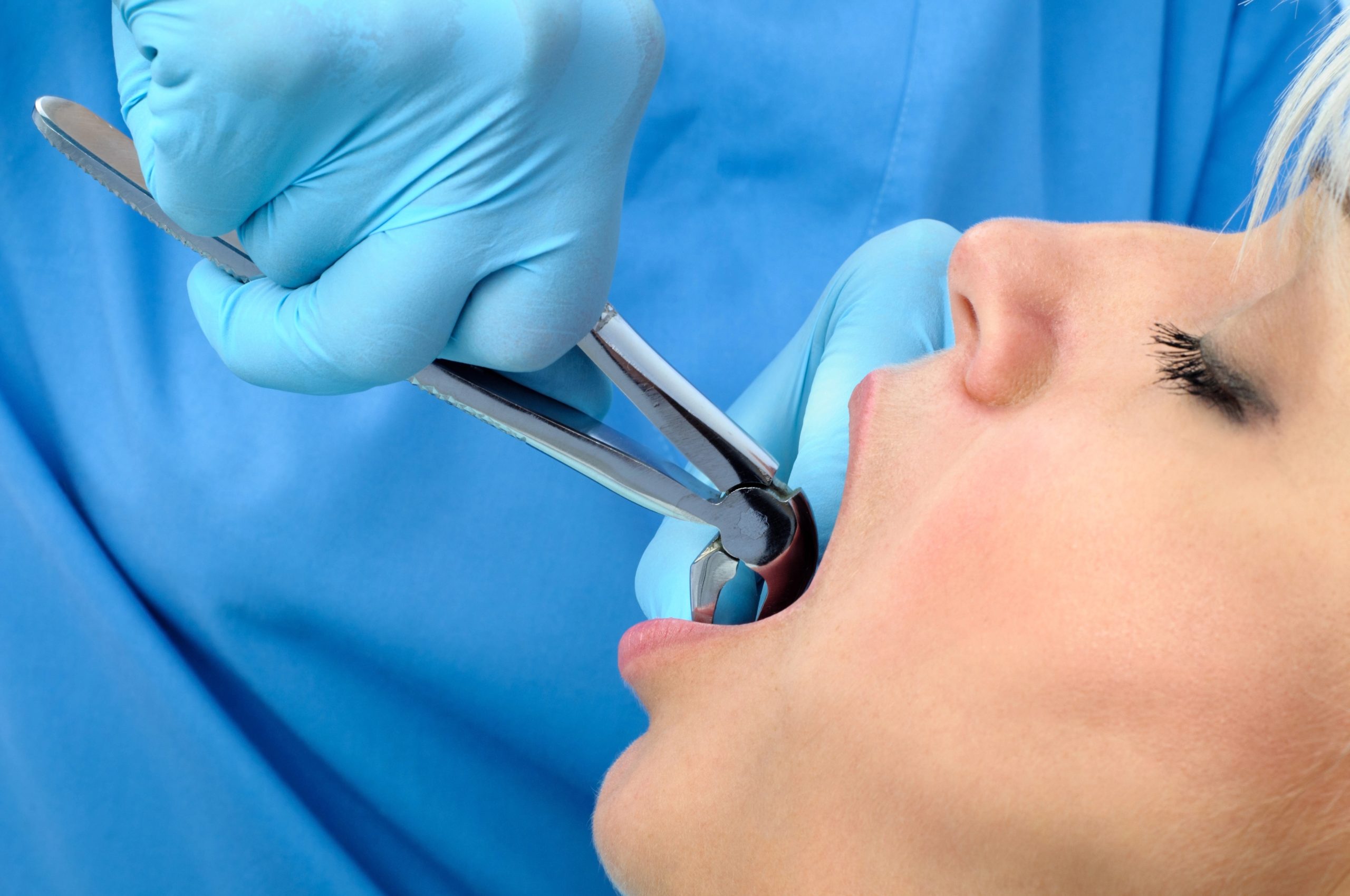
Are you wondering what to expect after an upper molar extraction? Recovery can vary from person to person, but understanding the general process can help ease any concerns. In this post, we’ll explore the typical recovery journey and what you might experience along the way.
Upper Molar Extraction
Upper molar extraction is a common dental procedure that involves the removal of one or more of the upper molars, which are the large teeth located at the back of the mouth. These teeth are often extracted due to decay, infection, or overcrowding. The process of upper molar extraction is typically performed by a dental professional under local anesthesia to ensure patient comfort. Understanding the reasons behind this procedure can help individuals prepare mentally and physically for what to expect during and after the extraction.
The recovery process following an upper molar extraction can vary from person to person, but it generally involves a period of healing where the body works to repair the site of the extraction. During this time, it’s important to be aware of the natural healing stages that occur in the gums and surrounding tissues. For more detailed information on what happens to your gums after a tooth extraction, you can explore the Gums After Tooth Extraction: Healing Stages.
Initial Recovery Period Overview
The initial recovery period following an upper molar extraction is a crucial time for your body to begin the healing process. During this phase, it’s normal to experience some discomfort and swelling as your body adjusts to the changes. The extraction site will start to form a blood clot, which is essential for proper healing. It’s important to be mindful of your body’s signals and allow yourself the necessary time to rest and recuperate.
Understanding what to expect during the initial recovery period can help ease any concerns you may have. While each individual’s experience may vary, being aware of the general process can provide reassurance. For more information on tooth extractions, you can explore the Best Tooth Extractions In Arlington for additional insights.
Managing Post-Extraction Discomfort
Experiencing some level of discomfort after an upper molar extraction is a common part of the healing process. This discomfort can manifest as swelling, tenderness, or mild pain in the affected area. It’s important to understand that these sensations are a natural response as your body begins to heal. While the intensity and duration of discomfort can vary from person to person, being aware of what to expect can help you navigate this period with greater ease. Remember, the body’s natural healing mechanisms are at work, gradually restoring balance and comfort following the procedure.
Dietary Considerations After Extraction
After undergoing an upper molar extraction, it’s essential to be mindful of your dietary choices to support the healing process. Soft foods that require minimal chewing are generally more comfortable to consume, as they reduce the risk of irritating the extraction site. It’s also advisable to avoid extremely hot or cold foods, as they can cause discomfort in the sensitive area. Staying hydrated is important, but it’s best to steer clear of using straws, as the suction can disrupt the healing tissue. For more information on dental care and recovery, you can visit the Advance Dental Care Center, your trusted Arlington Dentist.
Oral Hygiene Post-Extraction
Maintaining proper oral hygiene after an upper molar extraction is crucial for promoting healing and preventing complications. It’s important to gently care for the extraction site to avoid disturbing the blood clot that forms, which is essential for the healing process. While the area may be sensitive, keeping your mouth clean can help reduce the risk of infection and support a smooth recovery. Being mindful of your oral hygiene routine during this period can contribute to a more comfortable and effective healing experience following an upper molar extraction.
Recognizing Normal Healing Signs
After an upper molar extraction, it’s important to understand what constitutes normal healing signs to ensure a smooth recovery process. Typically, you may notice some swelling and mild discomfort in the area, which are common responses as your body begins to heal. A small amount of bleeding or oozing is also expected shortly after the procedure. As the days progress, the initial swelling should gradually decrease, and any discomfort should become more manageable. It’s crucial to monitor these signs to distinguish between normal healing and any potential complications that may require further attention.
Potential Complications Awareness
When undergoing an upper molar extraction, it’s important to be aware of potential complications that may arise during the recovery process. While most extractions proceed without issues, some individuals may experience challenges such as prolonged bleeding, infection, or dry socket, which can delay healing and cause discomfort. Being informed about these possibilities allows individuals to recognize symptoms early and seek appropriate care if needed. Understanding the potential complications associated with upper molar extraction can help individuals remain vigilant and proactive in monitoring their recovery journey.
When to Seek Professional Help
After an upper molar extraction, it’s crucial to monitor your recovery process closely. While some discomfort and swelling are normal, there are certain signs that may indicate the need for professional assistance. If you experience severe pain that doesn’t subside with prescribed medication, excessive bleeding, or signs of infection such as fever or pus, it’s important to contact your dental professional promptly. Additionally, if you notice any unusual symptoms or have concerns about your healing process, seeking professional help can ensure that your recovery from an upper molar extraction is on the right track.
Long-Term Oral Health Maintenance
Maintaining long-term oral health after an upper molar extraction is crucial for ensuring overall dental well-being. It’s important to be mindful of your oral hygiene practices and regular dental check-ups to prevent potential complications. By focusing on a consistent oral care routine, you can support the healing process and promote a healthy environment for your remaining teeth and gums. Remember, the journey to optimal oral health doesn’t end with the extraction; it continues with diligent care and attention to your dental needs.
Conclusion
Recovering from an upper molar extraction can be a smooth process with the right care; for any questions or concerns, call 703-415-0505 or check out our Google Maps reviews.”